







Can you tell us briefly about yourself and your background in design ?
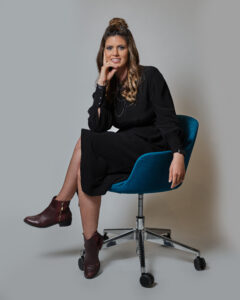
My name is Laila Al-Yousuf, and I am the Co-Founder and Design Director of SAY Studio an award-winning interior design practice with studios in Dubai and Riyadh. Since founding the business in 2018, our focus has been on creating meaningful environments that place people at the heart of the design process.
My fascination with interiors began long before it became a career. Even as a child, I was endlessly curious about the spaces around me—questioning why certain environments felt welcoming, inspiring, or memorable, and how design could shape the way people think, feel, and interact. I was constantly reconfiguring spaces, moving furniture, repainting walls, and experimenting with how small changes could transform an experience. Looking back, it was an early exploration of what continues to drive me today: the powerful relationship between people and place.
Before launching SAY Studio, I spent seven years at Perkins&Will, where I met my business partner. Together, we shared a vision of building a studio that offered a more personal, collaborative, and tailored approach to design—one that prioritised relationships as much as the spaces themselves.
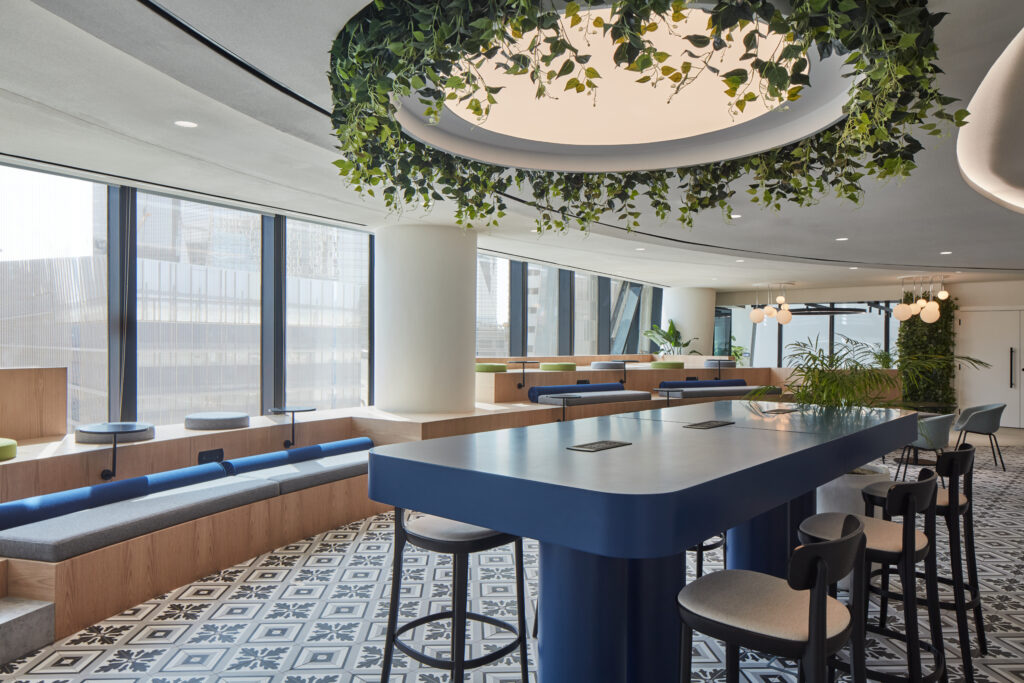
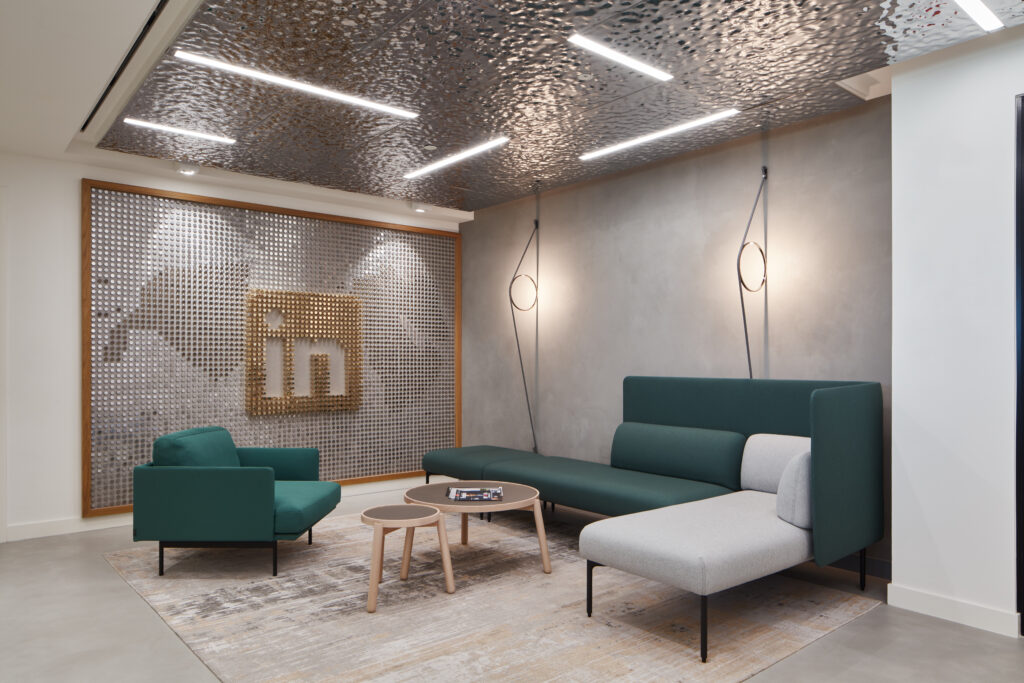
Over the years, we have had the privilege of partnering with leading global brands including Google, Meta, LinkedIn, PwC, and Pepsi, delivering environments that support culture, wellbeing, and performance. While workplace design remains at the core of our practice, our portfolio also spans hospitality and F&B across the region, including projects with Fairmont Hotels & Resorts and Grand Mercure.
Most recently, SAY Studio was recognised as Best Interior Design Firm at the Middle East Consultant Awards. It was a proud milestone for our team and a reflection of the passion, creativity, and dedication that continues to define our work.
What kind of team do you work with?
We are a team of around 20 people across our Dubai and Saudi studios. Most of the team consists of designers and architects, with an operations team supporting the business. Several members of our studio have worked together for many years, even before SAY Studio was founded. Many of us worked together previously at Perkins&Will, so there is already a strong sense of trust and collaboration within the office.
Dubai is a very international city, and that diversity is reflected in our studio as well. We have people from many different countries, age groups, and backgrounds. Some are very experienced, while others are younger designers bringing fresh ideas and new energy into the team.
What kinds of projects are typical in the UAE?
Dubai is a city defined by ambition and constant evolution. As one of the youngest countries in the world, the UAE has undergone a remarkable transformation since its formation in 1971, and nowhere is that more evident than in Dubai itself.
One of the city's most distinctive qualities is its pace. There is a collective belief that if something does not yet exist, it can be imagined, created, and realised. That entrepreneurial mindset shapes not only the skyline, but also the way projects are conceived, designed, and delivered.
At SAY Studio, we work across workplace, hospitality, and commercial environments, which gives us a unique vantage point on the city's growth. New districts, destinations, and developments continue to emerge at an extraordinary rate, creating opportunities to contribute to a constantly evolving built environment.
As a UAE national with an American mother, I have been fortunate to grow up with both local and international perspectives. That duality has shaped my approach to design, allowing me to balance cultural understanding with a global outlook, and to create spaces that feel both relevant and meaningful to the people who use them.
How do you see Dubai developing in the future?
The city is constantly evolving, and infrastructure is continuously being developed to support the growing population. Technology has also become a major part of everyday life in the UAE. Things happen very quickly here, and many services are highly digitalised. There is a strong focus from the government on making systems efficient and accessible. People enjoy living in Dubai because it is safe, convenient, and international. You are surrounded by people from all over the world, and that creates a very unique environment. I think those qualities will continue to define the city in the future.
How have workplaces evolved in recent years?
The most significant shift in workplace design over the past decade has undoubtedly been the impact of COVID-19 and the widespread adoption of hybrid work. Almost overnight, organizations discovered that work could happen from virtually anywhere, supported by technology that made communication and collaboration more seamless than ever before.
At the same time, the pandemic reinforced the value of human connection. While technology enables productivity, it cannot fully replace the spontaneous conversations, shared experiences, and sense of belonging that help build relationships, culture, and trust within organizations. The office has therefore evolved from being simply a place to work into a destination that supports collaboration, creativity, and community.
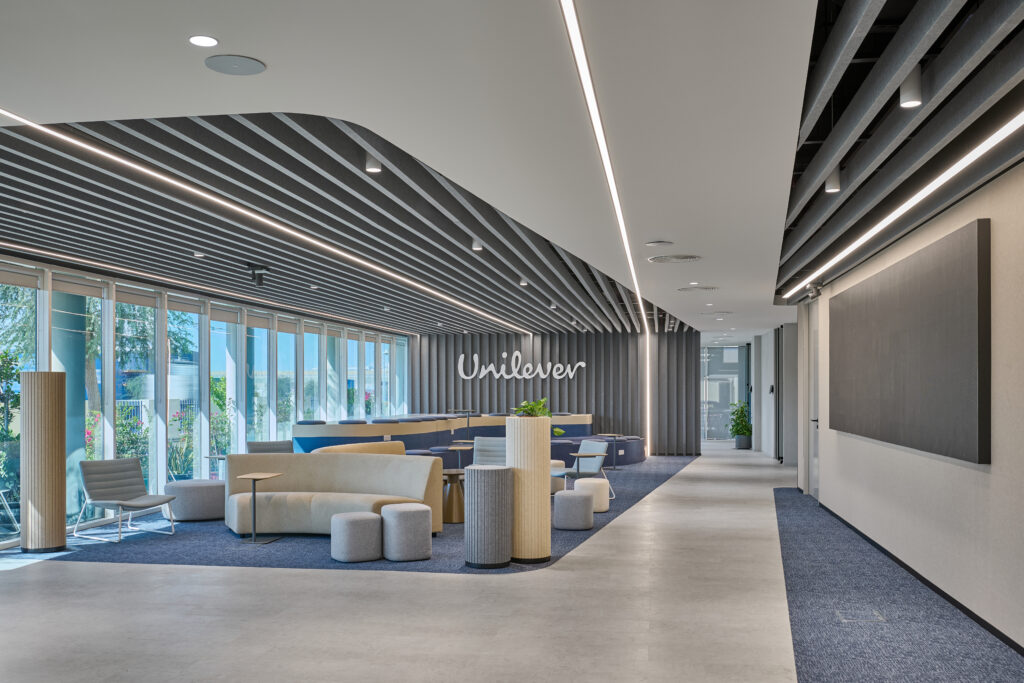
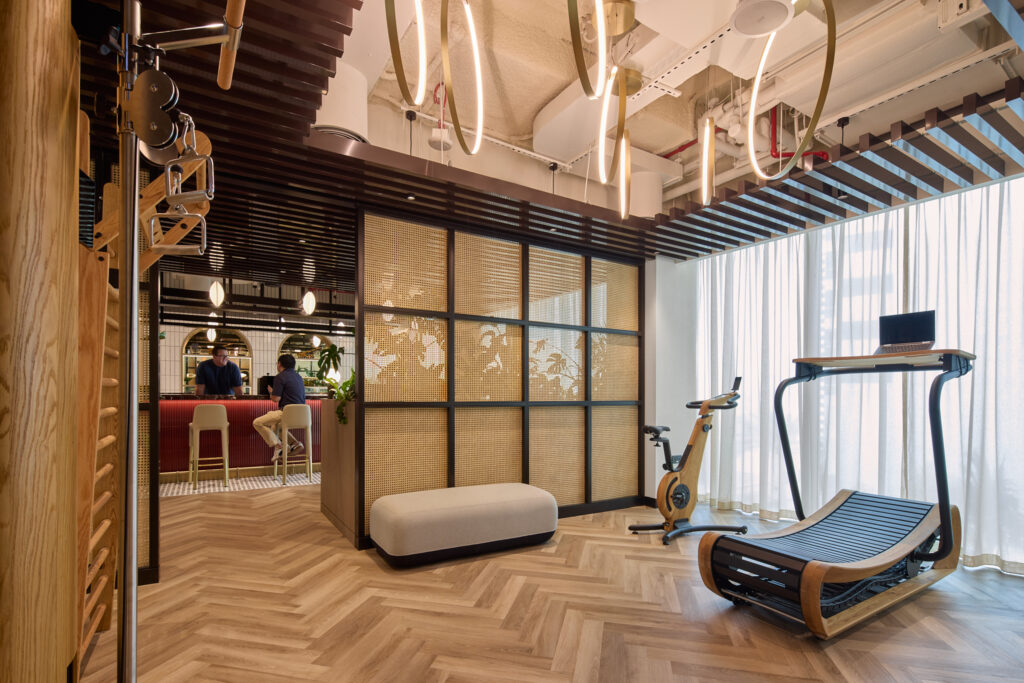
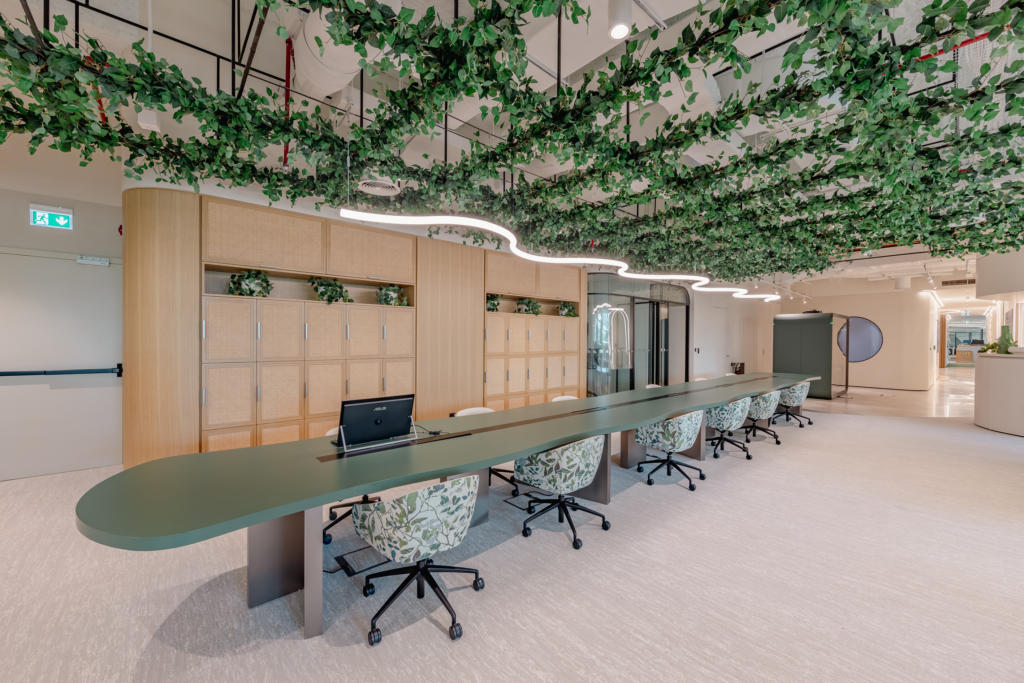
In Dubai, we have seen a faster return to the workplace than in many other parts of the world. While hybrid work remains common, there is still a strong appreciation for the role that physical workplaces play in bringing people together. This shift has had a profound influence on design. Today's workplaces are significantly warmer, more welcoming, and more human-centered than they were a decade ago. The lines between workplace, hospitality, and residential design have become increasingly blurred, creating environments that prioritize comfort, well-being, and experience. Flexibility has also become a key consideration. Organizations are seeking spaces that can adapt to different modes of work, from focused individual tasks to informal collaboration and larger team interactions. As a result, lounges, collaborative hubs, phone booths, and multi-functional spaces have become essential components of the modern workplace. Alongside this, there is a growing emphasis on well-being and connection to nature. Access to natural light, greenery, outdoor terraces, and biophilic elements is no longer viewed as a luxury, but as an important part of creating healthier, more engaging environments where people can thrive.
What role does sustainability play in your work?
Sustainability has always been very important to us and is one of the core principles of our studio. We work on many LEED and WELL certified projects, including several LEED Gold and WELL Platinum workplaces. Even when a project is not pursuing certification, we still try to apply many of those sustainability principles in the design process. One of the most important ideas for us is reducing unnecessary waste and encouraging clients to reuse what they already have whenever possible. For example, if a client already has high-quality furniture or workstations, we encourage them to bring those items into the new office rather than replacing everything. There are still challenges in Dubai because there is limited local manufacturing and recycling infrastructure compared to some other regions. That can make circular design more difficult.
How important are environmental themes to clients?
Environmental responsibility has become much more important to clients in recent years, especially among international companies. Many of the global companies we work with already have strong sustainability requirements and certifications as part of their corporate standards. Several projects are required to achieve LEED or WELL certifications as part of the client’s own environmental goals. Clients are far more aware of these themes today than they were 10 years ago, and sustainability is becoming a standard expectation rather than simply a trend.
What has been the most meaningful project in your career?
There have been many meaningful projects over the years, but one that immediately comes to mind is the PwC workplace we completed in 2019. It was a landmark project for us and one that remains particularly memorable. The workplace later achieved WELL Platinum certification and received an international design award, but beyond the recognition, it was simply a fantastic project to be part of. We had a strong relationship with the client, and the entire process felt collaborative, ambitious, and inspiring from start to finish.
Another project that became deeply meaningful for me personally was a pro bono high-risk pregnancy clinic that we designed several years ago. At the time, I had experienced a difficult miscarriage, and I knew the project would be emotionally challenging. However, I also felt that my personal experience could help me better understand the emotional needs of the women who would use the space. The project became incredibly personal. During the design process, I spoke with women who had gone through similar experiences to better understand what might help them feel calmer, more comfortable, and more supported during such a difficult period in their lives. It was never just about creating a beautiful environment. It was about creating a space that felt safe, warm, and emotionally supportive.
Healthcare environments can often feel clinical and intimidating, so we paid particular attention to the psychology of color, materials, lighting, and the overall emotional experience of the space. The feedback we received afterward was incredibly meaningful. Hearing that the environment had brought comfort to people during a challenging time reinforced the reason many of us become designers in the first place: to create spaces that have a positive impact on people's lives. This experience inspired our studio so much that earlier this year, we launched an open call to find an individual or initiative where pro bono design could make a difference, and after receiving the applications, I’m excited to see where this will lead. I have always believed design has the power to change the world.
What are the leading workplace trends in the UAE?
Hybrid work and flexibility continue to be some of the most influential trends shaping workplace design today. At the same time, the role of the office itself has evolved. Workplaces no longer resemble the traditional corporate environments of the past; instead, they are increasingly influenced by hospitality and residential design. Organizations are looking to create destinations where people genuinely enjoy spending time, rather than simply places where work gets done. We are also seeing a growing emphasis on well-being and connection to nature. Access to natural light, outdoor terraces, planting, and informal social spaces has become an important part of creating healthier, more engaging workplace experiences.
As designers, staying curious and continuously learning is essential. At SAY Studio, we regularly host lunch-and-learn sessions with manufacturers, suppliers, and industry partners to stay informed about new products, technologies, and innovations. We also dedicate significant time to research, exploring global design trends, studying emerging projects, and learning from the diverse clients and industries we work with. Travel remains one of the most valuable sources of inspiration. Experiencing different cultures, cities, and design approaches firsthand provides insights that cannot be gained from a screen alone. We regularly attend international exhibitions and industry events, including Orgatec and 3 Days of Design in Copenhagen, which offer an opportunity to explore new ideas and understand how design is evolving around the world.
How does local culture influence design in the UAE?
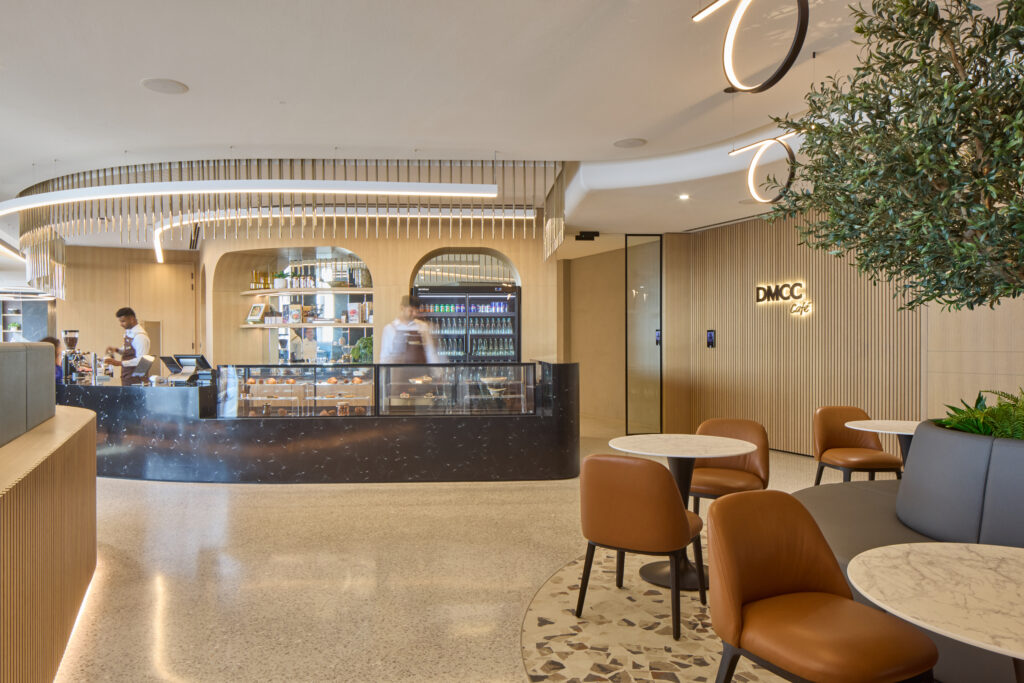
Hospitality is deeply rooted in Emirati culture, and I believe that has had a significant influence on the way spaces are designed across the region. There is a strong emphasis on making people feel welcomed, comfortable, and valued. Even in business settings, relationships often come before transactions, with time dedicated to conversation, coffee, and creating a sense of connection before discussions begin. That spirit of hospitality naturally extends into the built environment. Whether designing a workplace, hotel, or commercial space, there is a desire to create environments that feel warm, inviting, and people-centered. The UAE’s creative community continue to make their mark as well. From innovative materials made from the region's natural resources to artists whose work is recognized internationally, there is so much inspiring talent, creativity, and craftsmanship right on our doorstep.
At the same time, Dubai is one of the most multicultural cities in the world. Designers are creating spaces for people from a wide range of backgrounds, cultures, and experiences, which requires a thoughtful and inclusive approach. Successful design here must balance local identity with a global perspective, ensuring that spaces feel welcoming and relevant to a diverse audience. For me, that combination of strong cultural values and extraordinary diversity is what makes designing in Dubai so unique and inspiring.
How do you see workplaces evolving in the future?
Flexibility will continue to become even more important. We are already seeing more movable furniture, adaptable spaces, phone booths, and multi-functional environments that can support different ways of working. I believe workplaces will continue to become more human-centred, flexible, and experience-driven. Companies will focus more on creating environments where people genuinely want to spend time and collaborate.
What role will AI and technology play in future design?
AI is already becoming part of the design process, and I believe it will continue to accelerate many aspects of the industry. It can help improve visualisation processes, quality control, and coordination between teams. Designers may be able to work faster and identify issues more efficiently with the support of technology. At the same time, I do not believe technology will replace human creativity or emotional understanding. Design is still fundamentally about people and how spaces make them feel. Technology will support the process, but human connection and human experience will remain at the centre of good design.
We will be publishing new parts of the designer interview series each month. Subscribe to our newsletter to receive upcoming interviews directly in your inbox as soon as they are published!