






Can you tell us briefly about yourself and your design background?
My name is Paweł Syposz, and I am an Associate Partner and Architect at ATP in Krakow. ATP Krakow is a multidisciplinary design office with around 90 people working in the team. About half of the team consists of architects and interior designers, while the other half consists of engineers, and the engineering team is still growing. This structure allows us to cover the entire design process in-house and work very closely across disciplines.
I have more than 20 years of professional experience in this field. Working at ATP Kraków allows me to approach design in a holistic way, where architecture, interior design, engineering, and specialist consulting are all part of the same process. What has always been important to me is working closely with clients throughout the entire design and construction process. We do not just design for clients, we work with them and support them through every stage of the project.
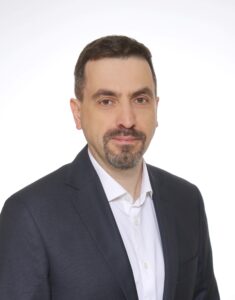
Paweł Syposz, partner and architect at ATP Krakow
What kind of projects do you design at ATP?
We do not focus on just one building type. Our work includes office buildings, residential projects, and retail developments. Basically, we design whatever the client needs. Personally, a large part of my experience comes from retail projects. I have worked on many shopping centres over the past 20 years, which has allowed me to see how these environments have changed over time.
How have workplaces and commercial environments evolved in recent years?
The biggest changes in workplaces and learning environments have been strongly influenced by COVID. Remote work is now widely accepted, but beyond that, the entire work environment has evolved in ways people do not always consciously notice.
Today, much more attention is paid to daylight, acoustics, and overall comfort. Poor lighting or constant background noise can make people tired without them realising it. Offices have become warmer and more relaxed, feeling more like apartments than technical workplaces.
Different ways of working are now accepted. Some people need quiet spaces to focus, while others need social interaction. Offices are no longer standardised production spaces. Flexible meeting rooms and small booths for video calls have become essential, supporting new ways of working.
Similar changes can be seen in retail environments. A large part of my professional experience comes from shopping centres, and over the past 20 years, they have changed significantly. They are no longer only places for consumption, but mixed-use environments that combine retail with leisure, culture, work, and social life.
Shopping centres have become part of the city rather than isolated commercial buildings. This requires much more flexibility in design and a deep understanding of how people actually use spaces. Today, designing these environments is about creating places where people want to spend time, and that can adapt to change over many years.
How important is sustainability and environmental responsibility to your clients?
We have been quite lucky, because many of our clients are very conscious about environmental impact. They often aim to meet the highest sustainability standards, such as LEED, BREEAM, or DGNB, depending on the country. In many cases, they set their own goals, which are even more ambitious than the official regulations.
Clients are increasingly interested in the long-term life of buildings and the materials used, including whether materials are local. Sometimes they are even willing to accept higher costs in order to achieve better environmental performance. This shows a strong sense of responsibility and a positive shift in mindset.
What has been the most meaningful project you have worked on?
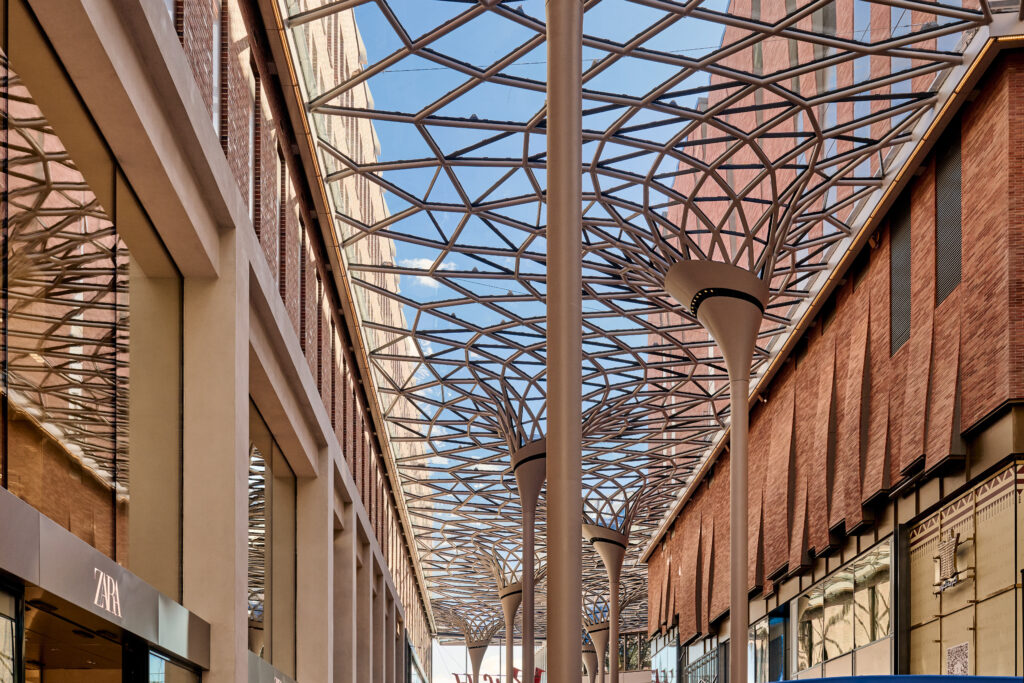
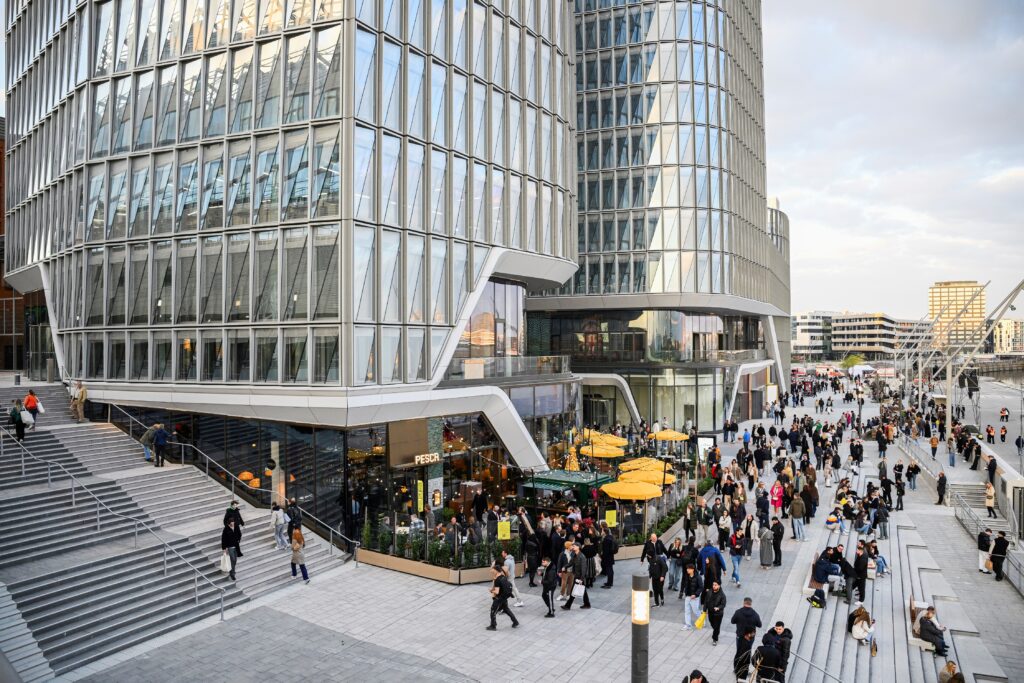
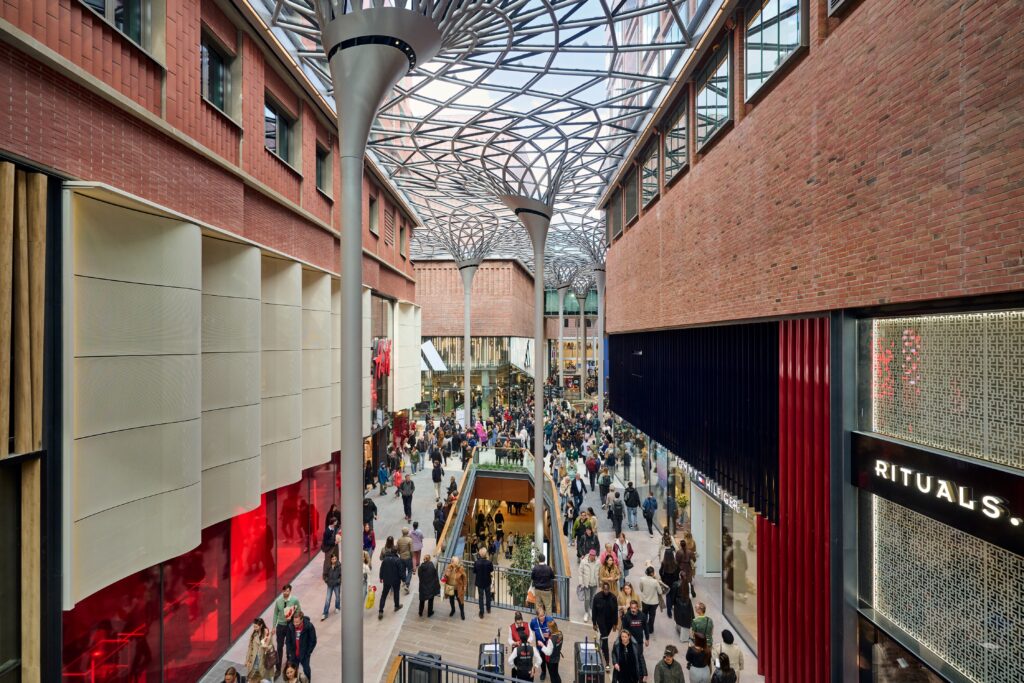
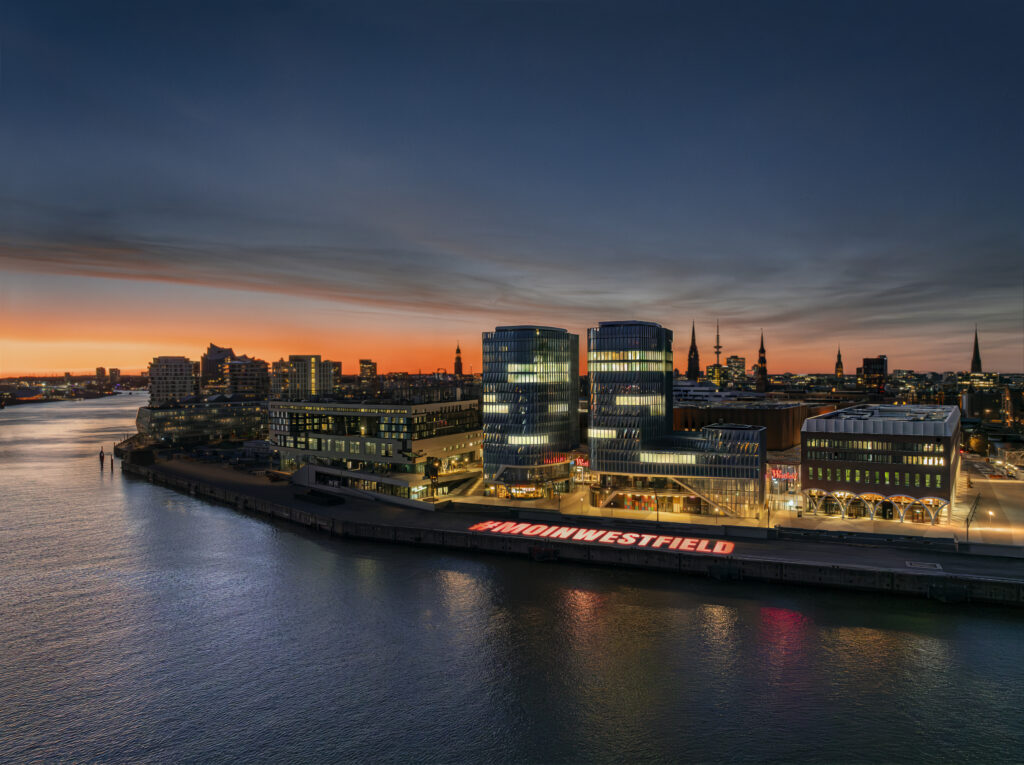
The most meaningful project in my career is the Westfield Hamburg Überseequartier project in HafenCity, Hamburg. It is a large mixed-use development including retail, cinemas, residential buildings, offices, hotels, and a cruise ship terminal.
I worked on this project for eight years, and it became a significant part of my life. The team was completely international and very large, with more than 350 designers involved, not to mention many other specialists. The project required constant adaptation to market changes and evolving needs.
What makes the project special is that it has become a real part of the city. The people of Hamburg have embraced it, and today it functions as a lively destination. Seeing citizens use and enjoy a place you helped create is a very powerful experience.
How do you see office environments developing in the future?
In the near future, working conditions that support health and well-being will continue to improve. This includes daylight, acoustics, flexibility, and adapting spaces to different ways of working. Offices will become more friendly and human-centred.
In the longer term, the future is unpredictable. Recent years have shown that we must stay flexible and react quickly to change. However, the use of reusable and local materials will continue to grow and play an increasingly important role.
What role will artificial intelligence and technology play in future design?
Artificial intelligence will become a basic tool for designers, but trust is the biggest challenge. AI collects information from many sources without judging its accuracy, so professional experience and independent thinking will always be necessary.
AI may help optimise design processes and control changes throughout the project lifecycle. One of the biggest challenges in construction today is waste, which often results from continuous design changes during construction. Better control over the full process could reduce this waste.
In the future, cooperation between designers and construction companies will become even closer. This benefits clients, builders, and the environment by reducing waste and improving efficiency. AI can support this process, but human responsibility and judgment will remain essential.
We will be publishing new parts of the designer interview series each month. Subscribe to our newsletterto receive upcoming interviews directly in your inbox as soon as they are published!