




Can you tell us briefly about yourself and your background in design?
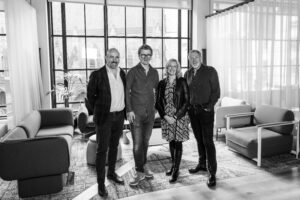
My name is Ralph Bingham. I am a founding director of MOLA Architecture. We started the company just over 15 years ago in Dublin, and today we have more than 55 staff. Our work includes architecture, interior design, and master planning. About one third of our projects are office interiors, another large part is residential, and we also design schools and master plans. We have worked with companies such as Google, LinkedIn, Dropbox, and Amazon. We have completed projects across Europe, including Finland, Poland, and Portugal.
How have work and learning spaces developed in the past 10 years?
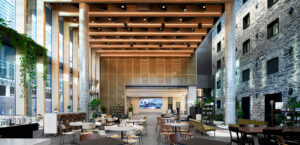
The fintech sector, especially Google, has led the way in creating new types of workspaces. They introduced huddle rooms, booths, and flexible spaces, moving away from traditional cellular offices and long corridors. Today, even state agencies and law firms are adopting open-plan layouts and collaborative spaces. Meeting rooms are also changing. Large boardrooms are used less, while smaller rooms for two or three people are in high demand. COVID accelerated this change. Now, acoustics, AV technology, and flexible design solutions are more important than ever.
How important is sustainability in your work?
Sustainability has become a major focus. In the past, we tried to convince clients to care more about it, but now it often comes from the clients themselves and even from investors. ESG policies and funding requirements push companies to take responsibility. Clients are asking about materials, carbon footprint, and recyclability. This shift has become very clear in the past five years.
What has been the most meaningful project for you?
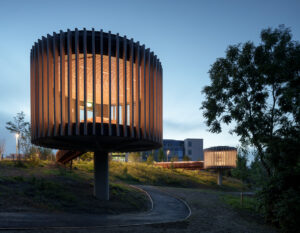
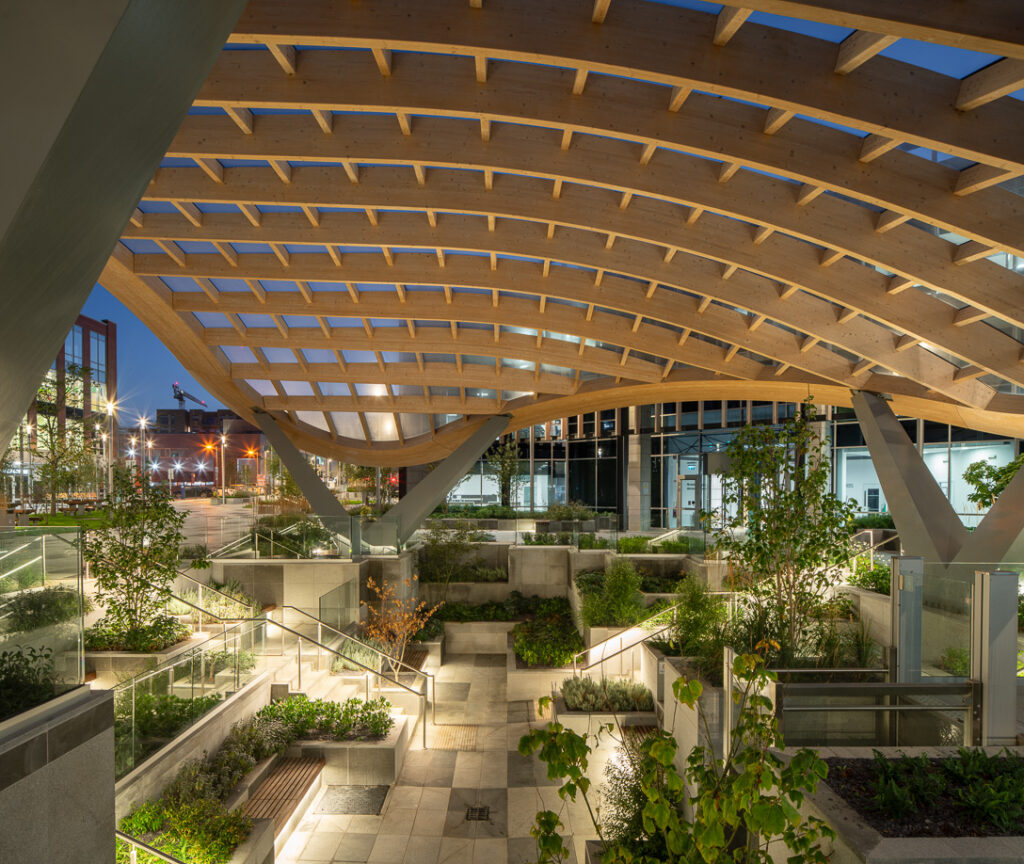
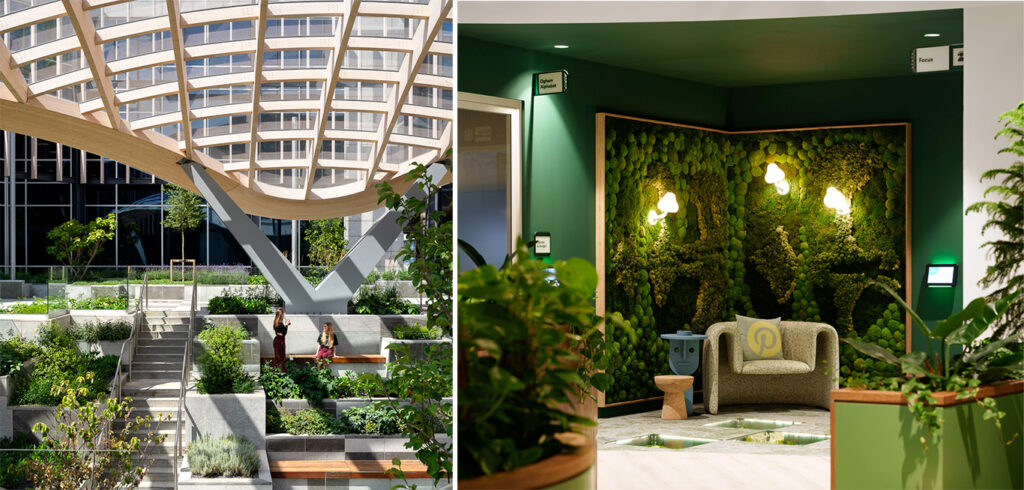
One of the most important projects was Windmill Lane in Dublin. It included a master plan, new office and residential buildings, and the renovation of an old warehouse. It brought together architects, interior designers, and planners from our office, which does not happen often. Other memorable projects include the Cherrywood campus, where we transformed a 1970s business park with landscaping and outdoor meeting pods. We also designed Avalon’s headquarters with a large auditorium cut into two floors, and Pinterest’s Dublin office, which is very playful and diverse. Each room is unique and inspired by Dublin culture.
How do you see work and learning spaces evolving in the next 10 years?
Technology is changing design very fast. Tools like Revit and real-time rendering already allow us to show clients exactly what they will get. We are now experimenting with AI in visualizations. It is not easy to control, but it speeds up the process and gives clients more options. I think in the future offices will continue to offer more variety. There will be quiet spaces, collaboration areas, town hall spaces, and learning environments. The culture of the office is still very important. COVID showed us that while remote work is possible, people also need to learn from colleagues and build relationships. Offices will remain central to teamwork and learning, even if flexibility continues to grow.
In the future, we will publish new parts of the designer interview series each month. Subscribe to our newsletter, to receive information about upcoming interviews as soon as they are published, directly to your email inbox.