








The focus of office design has changed considerably over the last few decades, moving from privacy-oriented office design to the creation of work spaces that increase efficiency in the use of space. The evolution of working practices and the changing nature of work has attracted the interest of senior management in multi-tenant offices, not least because of the potential cost savings in terms of office rents and maintenance costs.
From a room office to a multi-room office
In the 1980s, office blocks were a common way of designing and building office space
In the late 1980s, when it was realised that the old office solutions no longer supported the way work was done, the move was made from private offices to open-plan spaces with high screens at the workstations. The idea behind it was a good one: to get people out of their rooms to increase community, interaction and interaction. The cost-effectiveness of the open-plan space contributed to the change, as open-plan space is always more space-efficient than office space.
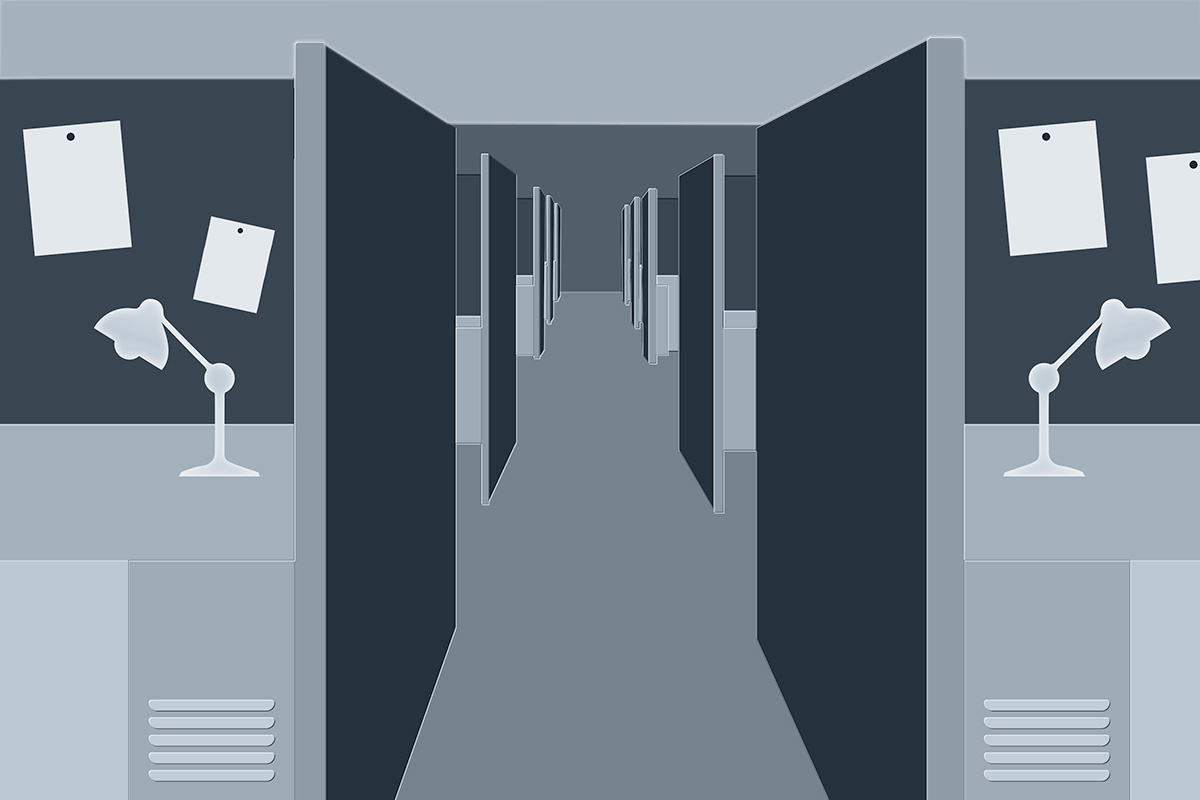
In the 90s, the serums were lowered
In the 90s, the barriers between workstations were lowered, with the aim of increasing the sense of community that already existed. They wanted more natural light, while at the same time trying to reduce the disturbance caused by the illusion created by the booms, where users thought they were in the safety of their own room and forgot to pay attention to others around them, for example by talking loudly on the phone.
Multi-room offices at the beginning of the millennium
At the beginning of the 2000s, it was noticed that open offices were doing very different types of work in the same premises: telephone work, team work and work requiring concentration. Working in the same space with different work profiles led to a decrease in concentration and work efficiency. This open office problem was solved by moving to a multi-space office model, based on the understanding that employees need to be provided with a range of appropriate support spaces for different work tasks.
Multi-space office is the way to work
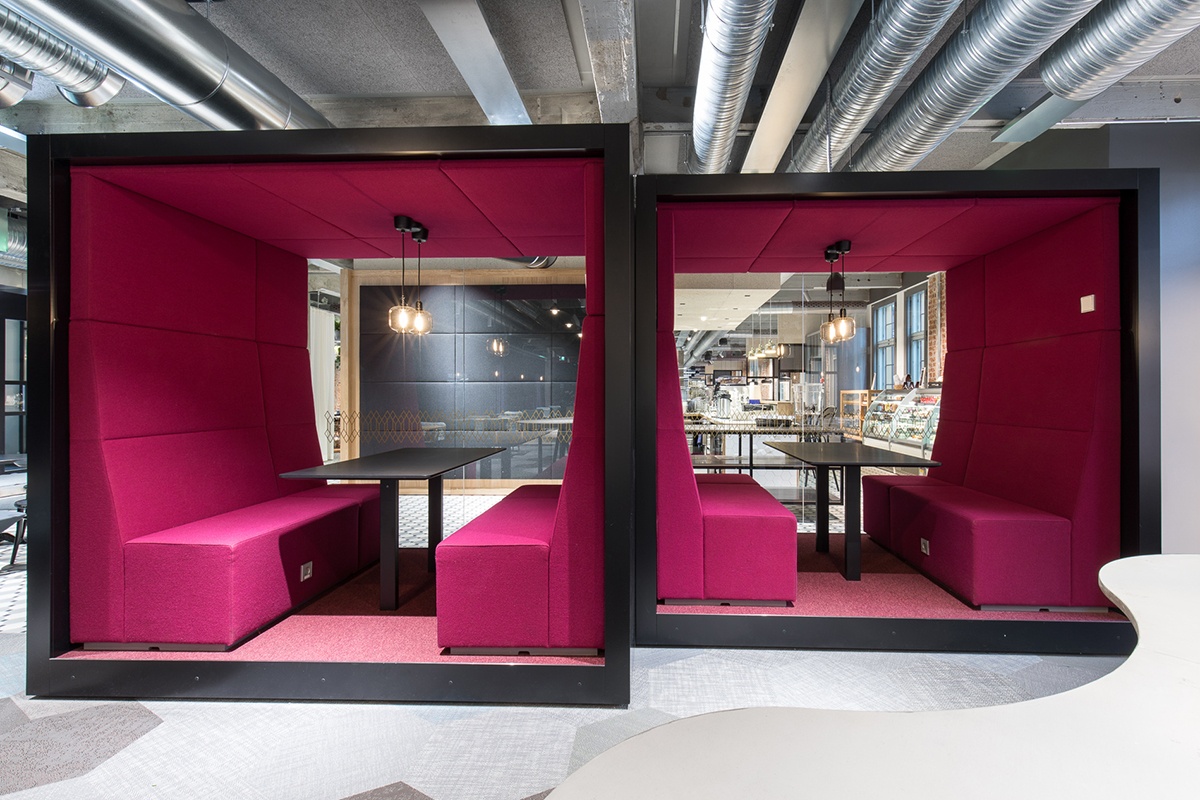
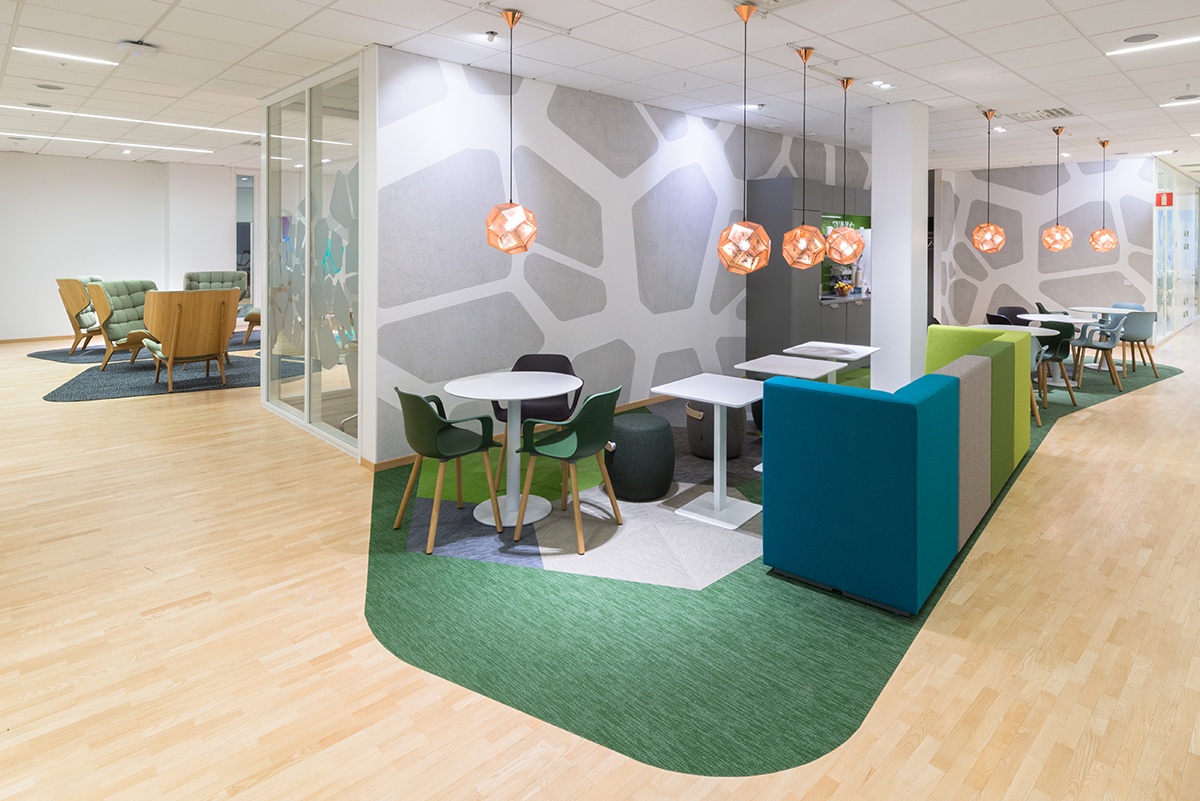
The idea behind multi-space offices is genius in its simplicity: bring the best of two extremes into one space. Multi-space offices, as the name suggests, offer a wide range of spaces: open workspaces for teamwork, quiet spaces for concentration, as well as telephone booths and meeting and conference rooms of various sizes to support confidential discussions.
A multi-space office is more than just a space change
Workplace design is always based on the organisation's objectives, the needs of different user groups and work requirements, as well as a vision of the direction in which work is evolving. The transition from a traditional office to a multifunctional office is more than just a change of space. New space solutions also mean a change in the way work is done. Good management and staff-inclusive practices are key to achieving a successful outcome. Indeed, the most common failures in moving to a multi-space office are often due to the fact that the change is seen as an opportunity to reduce costs rather than an opportunity to reform and develop working culture and ways of working.
At its best, a multi-space office strikes a balance between old-fashioned closed doors and an overly social open space. Employees retain the benefits of an open office - easy collaboration and interaction with colleagues and a sense of community - but still have the space to do the work that requires concentration.
The maximum cost-efficiency of a multi-space office is not only created by having an open space, but by bringing in a wide variety of support spaces - POD rooms, private workstations, open furniture suitable for teamwork and space dividers clarify the use of space (read more about the benefits of POD rooms here). In this case, the employee actively plans his or her own work tasks, which encourages optimal use of time.
In the next section on the evolution of working environments, we will go deeper into the different forms of the multi-space office.