








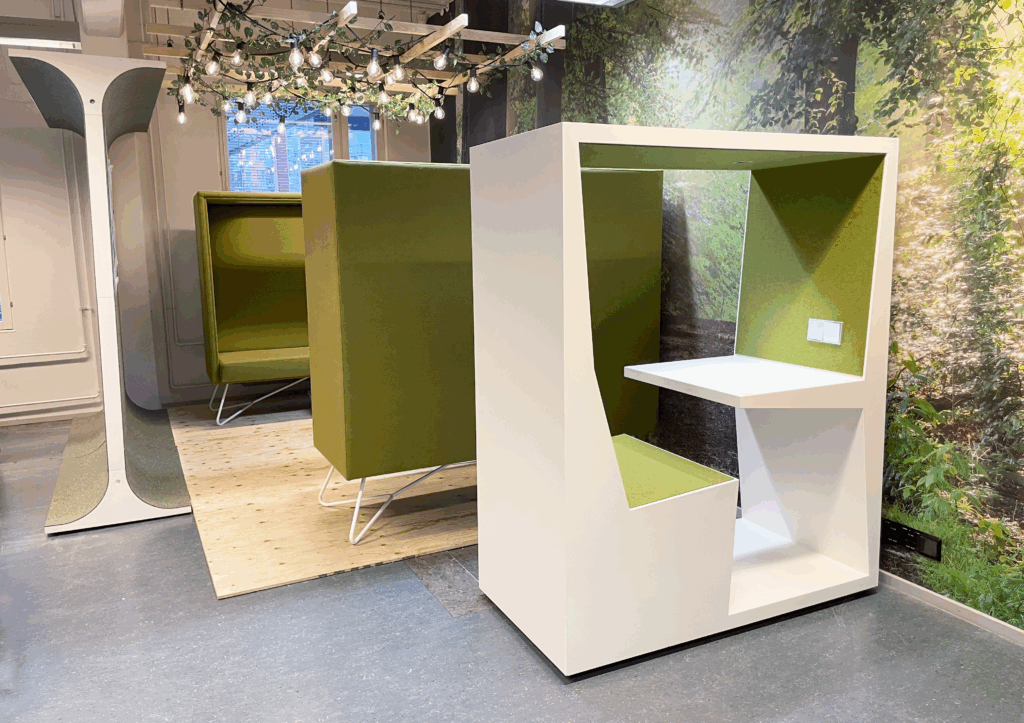
Creating a quiet space in the open office is a success soundproofing solutions and intelligent use of space. The most effective methods include space dividers, acoustic panels and the use of office cubicles in a multi-space office. The right furniture placement and space allocation create a quiet space where work that requires concentration can flow seamlessly.
Why are open offices so noisy and how does it affect work?
Open offices are noisy because they lack sound absorption structures and sound is freely reflected from hard surfaces. All sounds - calls, conversations, keyboard tapping and walking - mix together, creating a constant background noise. This is a major distraction from concentration-intensive work.
Constant noise affects work in many ways. Workers find it difficult to concentrate on tasks that require deep thinking when there are constant distracting noises in the background. In a multi-room office, this problem is exacerbated by the fact that different activities are located in the same space without adequate acoustic separation.
Noise causes stress and tires workers more quickly than working in a quiet environment. Productivity suffers when concentration is repeatedly broken. Many workers are forced to use headphones or seek quiet spaces to carry out important tasks.
What acoustic solutions can be used to create a quiet space?
Space dividers are one of the most effective solutions for improving open office acoustics. They divide space and absorb sound at the same time, creating quieter working zones. Ceiling-mounted acoustic panels absorb sound and significantly reduce echo.
The use of office cubicles in a multi-user office provides an excellent solution for quiet working. These enclosed spaces provide acoustic and visual protection, allowing work that requires concentration to be carried out without distraction. The positioning of cubicles throughout the office ensures that a quiet space is always available.
Wall-mounted acoustic solutions improve sound insulation and reduce sound reflection. Floor-level acoustic elements, such as partitions and acoustic panels, create effective sound barriers between different functions. Their combination transforms a resonant open office into a pleasant working environment.
How do furniture and interior design affect office acoustics?
The right furniture can significantly improve office acoustics by acting as natural sound absorbers. Soft surfaces absorb sound, while hard surfaces reflect it. Seating with soft upholstery to reduce sound reflection and create a more comfortable working environment.
The placement of furniture affects the way sound travels through a space. Higher furniture, such as bookshelves and storage cabinets, act as natural sound barriers between different areas. They direct sound and prevent it from spreading throughout the office.
Workstations and seating should be positioned to support the desired acoustic environment. Open workspaces benefit from furniture that naturally distributes space. Space dividers combined with the right seating create functional micro-spaces within a larger office.
How to plan the use of space so that quiet working is possible?
The use of space must be planned by function by dividing the space into quiet and more active zones. Work that requires concentration is placed in quieter areas, away from passageways and meeting areas. In a multi-space office, this division is particularly important.
The placement of quiet zones requires careful planning. They should be located in the more remote parts of the office where footfall is low. Adequate space and acoustic separation between workstations is needed to allow employees to concentrate on their tasks without distraction.
The optimal arrangement of workstations takes into account both acoustics and functionality. Teams working in groups are placed close to each other, but away from quiet areas. Room dividers allow for flexible solutions that adapt to changing needs while maintaining acoustic comfort for all workers.
Successful open office acoustic management combines the right solutions with intelligent use of space. Space dividers, office cubicles and thoughtful furniture placement transform a noisy open-plan office into a functional, multi-purpose office. With these solutions, every employee can find the right quiet space to concentrate on their work.