








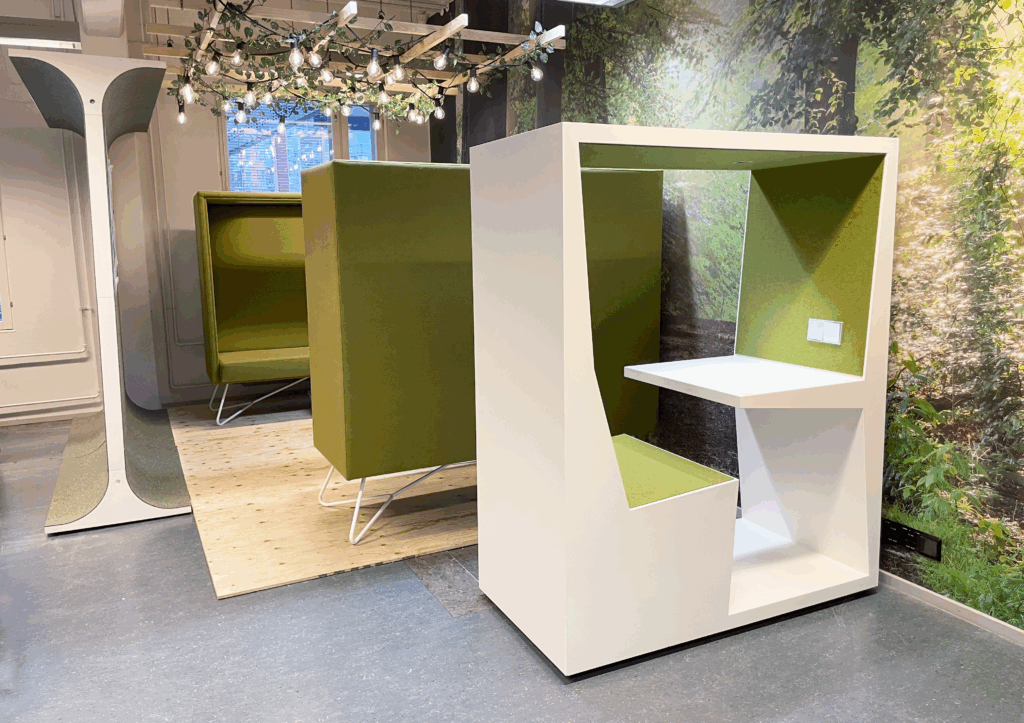
Effective multi-storey office in 2026 combines flexibility, technology integration and employee well-being. It includes versatile workspaces, acoustic solutions such as call booths and POD rooms, and ergonomic furniture. Successful design takes into account the needs of hybrid work, creating quiet spaces focus and support collaboration. Key issues include functionality, acoustics, ergonomics and the requirements of future working environments.
What will make a multifunctional office truly efficient in 2026?
An efficient multi-tenant office in 2026 based on flexibility and functionality, with optimised spaces for different tasks. It includes open collaboration areas, quiet focus areas, meeting areas and social meeting points. Employee wellbeing is at the heart of all the design.
Future working environments will require adaptability to changing working practices. Spaces need to support both spontaneous collaboration and work that requires deep concentration. Seamless integration of technology enables efficient working across different spaces with easy access to wireless charging, displays and sound systems.
Sustainability and responsibility are also key factors. High-quality, long-lasting furniture and environmentally friendly materials support the company's sustainability objectives. Modular solutions allow for the reorganisation of space according to needs without major investment.
How does hybrid work affect the design of a multi-tenant office?
Hybrid work changes the design of a multi-space office flexibility and adaptability direction. Hot desking models are replacing fixed workstations, and shared use areas are becoming more prominent as meeting places for employees. Technology integration is essential for seamlessly combining remote and office work.
Flexible workstations are easy to book and can be tailored to different work tasks. Adjustable desks, movable screens and personal storage solutions allow you to quickly personalise your workstation. Video conferencing facilities are particularly important for hybrid workers.
Shared use areas are becoming increasingly important as social meeting places. They support spontaneous interaction and teamwork. These areas need to be comfortable and inviting to encourage employees to spend time in the office. The placement of coffee machines, seating areas and informal meeting points is strategically important.
What are the main acoustic solutions in an open office?
The main acoustic solutions in an open office are telephone booths, POD rooms and room dividers. These reduce distractions and create calm areas for work that requires concentration. Material choices and strategic placement are critical to achieving acoustic comfort.
POD rooms provide excellent acoustic insulation for important calls and meetings. They improve work efficiency and comfort in open spaces by providing visual and acoustic protection. These rooms are suitable for a variety of uses, from private calls to small team meetings.
Room dividers are a flexible solution for sound attenuation and space structuring. They create visual privacy and reduce distractions without disrupting the overall openness of the space. Properly positioned, they control the flow of sound and create a comfortable working environment.
When positioning acoustic solutions, it is important to take into account the sound propagation in the space. Hard surfaces reflect sound, so strategic placement of acoustic elements will cut off sound waves and reduce echo. Material choices must balance acoustic efficiency and aesthetics.
How are ergonomics and well-being at work taken into account in a multifunctional office?
Ergonomics and well-being at work are taken into account adjustable furniture and versatile working positions enabling. Seating supports a healthy working posture, and adjustable workstations accommodate users of different heights. Lighting and air quality are also key factors for well-being.
Ergonomic seating creates an inviting and healthy working environment. They support collaboration and communication in open and semi-open spaces. Proper spinal support and the possibility to move around during the working day prevent work-related ailments and improve work efficiency.
Adjustable workstations are essential to accommodate the needs of different users. Height-adjustable desks allow for a variety of standing and sitting positions, which improves circulation and reduces the disadvantages of static sitting. Adjusting screens to the right height and distance prevents neck and eye strain.
In addition to physical well-being, mental well-being is important. Diverse facilities for different needs reduce stress and improve employee satisfaction. The possibility to choose the working environment according to the task increases the sense of autonomy and well-being at work. Social areas and quiet spaces balance the needs for community and privacy.
An efficient multi-tenant office in 2026 is a holistic solution that combines technology, ergonomics and acoustics to support employee well-being. A successful design takes into account the requirements of hybrid working and creates a flexible environment for different work tasks. Investing in quality design pays off in terms of improved work efficiency and employee satisfaction.