








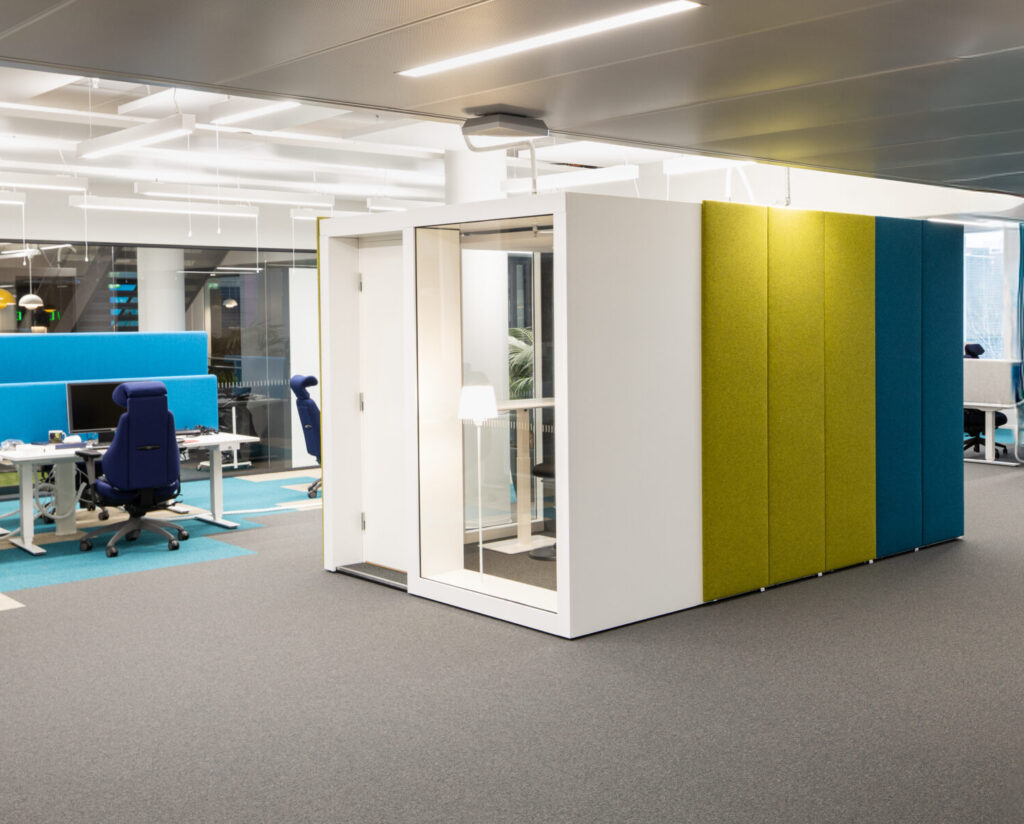
Soundproofed workspaces use materials that effectively dampen and absorb sound. The most important materials are acoustic panels, polyester fibre, dense sheet materials and acoustic foams. Together, these materials form a structure that prevents sound from escaping outside the space and reduces echoes inside. Correctly selected materials create a peaceful workspace that promotes concentration and privacy.
What materials are needed for effective sound insulation in a workspace?
Effective sound insulation is based on the interaction of several types of materials. Acoustic panels often form the surfaces of a space and absorb sound effectively thanks to their porous structure. Polyester fibre is an environmentally friendly option that provides excellent sound absorption and is ideal for use on walls and ceilings in workspaces.
Dense sheet materials prevent sound from passing through the structure. They act as a mass that reflects and stops sound waves. Acoustic foams complement the whole by filling the cavities in the structure and reducing resonance. Together, these materials create a layered structure that treats sound on multiple levels.
In workspace solutions such as telephone booths, the choice of materials is particularly important. The structure must dampen speech so that it can only be heard outside as an indistinct hum. This requires careful combination of materials and selection of the correct thickness. High-quality materials ensure that speech outside the booth remains unclear and privacy is maintained.
How do acoustic materials improve the quality of the working environment?
Acoustic materials reduce background noise and create a quiet working space, where it is easier to concentrate. When sound does not reflect freely in rooms, speech noise and other distracting sounds are significantly reduced. This improves well-being at work and reduces stress caused by constant noise.
The right choice of materials improves speech intelligibility in spaces where communication is important. When echoes are reduced, speech is clearer and does not need to be repeated. At the same time, the materials prevent speech from carrying into areas where it would disturb other employees. This balance is essential in a functional working environment.
In open-plan offices, acoustic materials solve the most significant challenges. They divide the space acoustically, creating zones where different activities can take place without disturbing each other. Employees can concentrate on their own tasks while collaboration is possible elsewhere. The materials not only dampen sound but also disperse it, which prevents disturbing noises from occurring.
What are the most important criteria when selecting sound insulation materials for workspace furnishings?
Sound absorption coefficient (NRC) indicates how effectively the material absorbs sound. The value ranges from zero to one, and the higher the number, the better the material absorbs sound. In workspaces, it is advisable to choose materials with an NRC value of at least 0.7. This ensures sufficient sound absorption in practical situations.
Fire classification is an essential criterion for occupational safety. Materials must meet building regulations and be at least flame-retardant. Durability and maintainability affect how long materials retain their properties and how they look after use. Easy-to-clean surfaces significantly extend the service life of products.
Aesthetics is not just a matter of appearance; it also affects the comfort of the working environment. Materials should match the rest of the interior design and support the desired look. These factors together determine the value of the total investment. High-quality materials pay for themselves in the long run and reduce the need for maintenance and repairs.
Are the materials used in soundproofed workspaces environmentally friendly?
Many modern soundproofing materials are environmentally friendly and support sustainable development goals. Polyester fibre is often made from recycled materials, such as plastic bottles, which reduces waste and the need for new raw materials. These materials retain their acoustic properties just as well as traditional alternatives.
Natural fibres offer a different ecological alternative. They are renewable and biodegradable, making them a sustainable choice in the long term. Low-emission products do not release harmful substances into the indoor air, which improves the healthiness of the working environment. This is particularly important in spaces where employees spend long periods of time.
Responsibly produced materials combine environmental friendliness with excellent acoustic performance. Companies can achieve their environmental goals by choosing products that are manufactured sustainably and will last for years. High quality soundproofed workspace can be both an ecological and functional solution that serves both users and the environment.
The choice of materials in workspaces affects many things: acoustics, safety, durability and comfort. By investing in the right materials, you can create a working environment that supports concentration and well-being long into the future. High-quality solutions pay for themselves in the form of improved productivity and reduced maintenance requirements.