








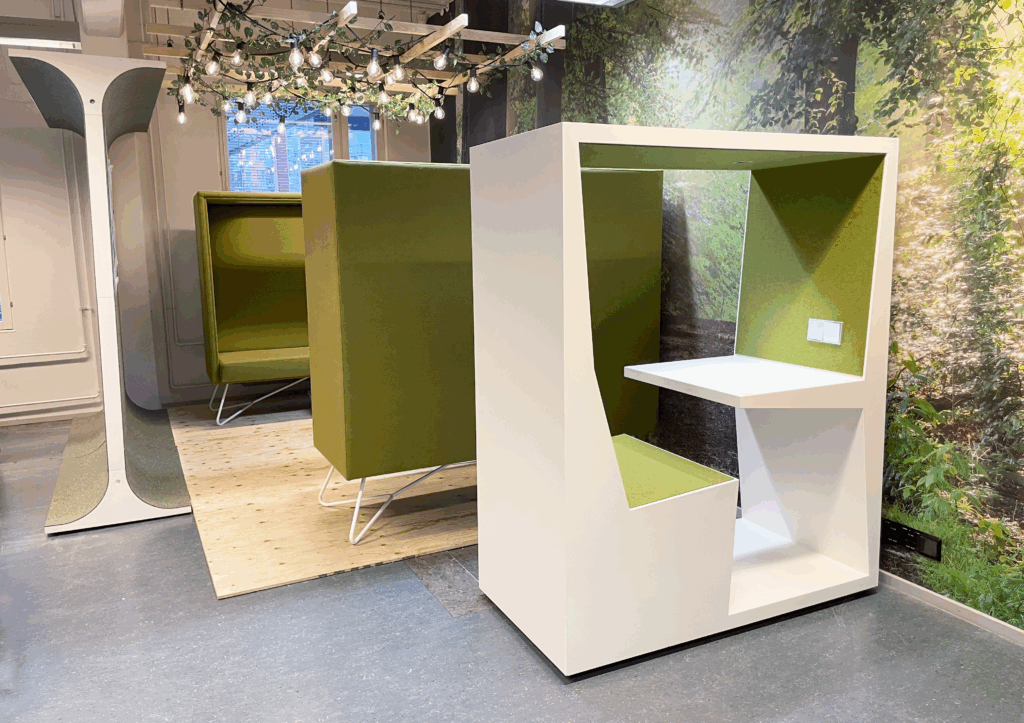
Soundproofing is a cornerstone of modern office design, directly affecting the well-being and performance of employees. Poor acoustics in open office spaces cause stress, reduce concentration and significantly reduce productivity. Effective soundproofing solutions create a peaceful working environment where soundproofed room enables deep focus and high quality collaboration.
What is the importance of soundproofing in a modern office environment?
Soundproofing means controlling the spread of sound and dampening disturbing noises in workplaces. In open office environments, sound travels freely, causing constant disturbance to workers. Effective soundproofing creates quiet zones where workers can concentrate on demanding tasks without external distractions.
Modern offices often consist of open spaces where dozens of people work at the same time. Phone conversations, keyboard tapping, printers and the sound of walking create a constant background noise that strains concentration. Soundproofing divides these spaces into functional zones, with appropriate acoustic conditions for different activities.
Thanks to effective soundproofing office furnishing can be designed to support different ways of working. Quiet focus areas, collaboration spaces and meeting areas can be located in the same space without disturbing each other. This increases the efficiency of the space and significantly improves employee satisfaction.
How does poor acoustics affect employee well-being and productivity?
Poor acoustics increase stress levels, reduce concentration and make it difficult to communicate in the workplace. Constant exposure to background noise activates the body's stress responses, leading to fatigue, irritability and reduced work performance. Studies show that people working in noisy environments make more mistakes and take longer to complete tasks.
Concentration is particularly affected by sudden noises and speech that interrupt thought processes. In an open office, the worker is constantly having to filter out ambient noise, which consumes mental energy. This leads to faster fatigue and reduced decision-making ability.
Communication becomes more difficult when workers have to raise their voices to be heard above background noise. This creates a vicious circle where the sound level is constantly rising. Phone conversations distract others, and important messages can go unheard. The end result is ineffective communication and increased frustration in the workplace.
What soundproofing methods should be used in office design?
The most effective soundproofing methods combine acoustic panels, room dividers and engineered furniture solutions. Acoustic wall panels absorb sound waves and reduce echo, improving speech clarity and reducing background noise. Ceiling-mounted acoustic elements control upward sound and prevent it from being reflected back into the room.
Space dividers act as both visual and acoustic barriers. They create privacy and reduce the spread of sound between workstations. Modern partitions are designed with absorbent materials that effectively dampen sound while maintaining an open feel.
The placement of office furniture has a significant impact on acoustics. High shelves, plants and soft seating naturally absorb sound. POD rooms and office cubicles provide fully isolated spaces for tasks that require concentration or confidential conversations. These solutions allow flexible use of space without permanent structural changes.
When to invest in office acoustics and where to start?
It is worth investing in acoustic improvements as soon as employees complain about noise, concentration problems or communication difficulties. Early intervention is more cost-effective than extensive renovation at a later stage. Signs of acoustic problems include increased sickness absence, employee dissatisfaction and reduced productivity.
Start by identifying the acoustic problem areas in your space. Identify the noisiest zones, such as areas near printers, main corridors and open meeting rooms. Prioritise solutions according to where the disturbance has the greatest impact on critical work.
From a budget point of view, it makes the most sense to start with simple solutions such as acoustic panels and room dividers. These can be installed in stages without major disruption to operations. More expensive solutions, such as specially designed acoustic ceiling structures, should be implemented as part of a larger renovation or new space design.
Effective soundproofing is not a luxury, but a necessary investment in a modern office environment. It improves employee wellbeing, increases productivity and creates a comfortable working environment that supports a variety of working practices. Properly implemented soundproofing pays off in terms of a better working atmosphere and reduced staff turnover.